Lesotho rallies against tuberculosis with community-led screening campaigns
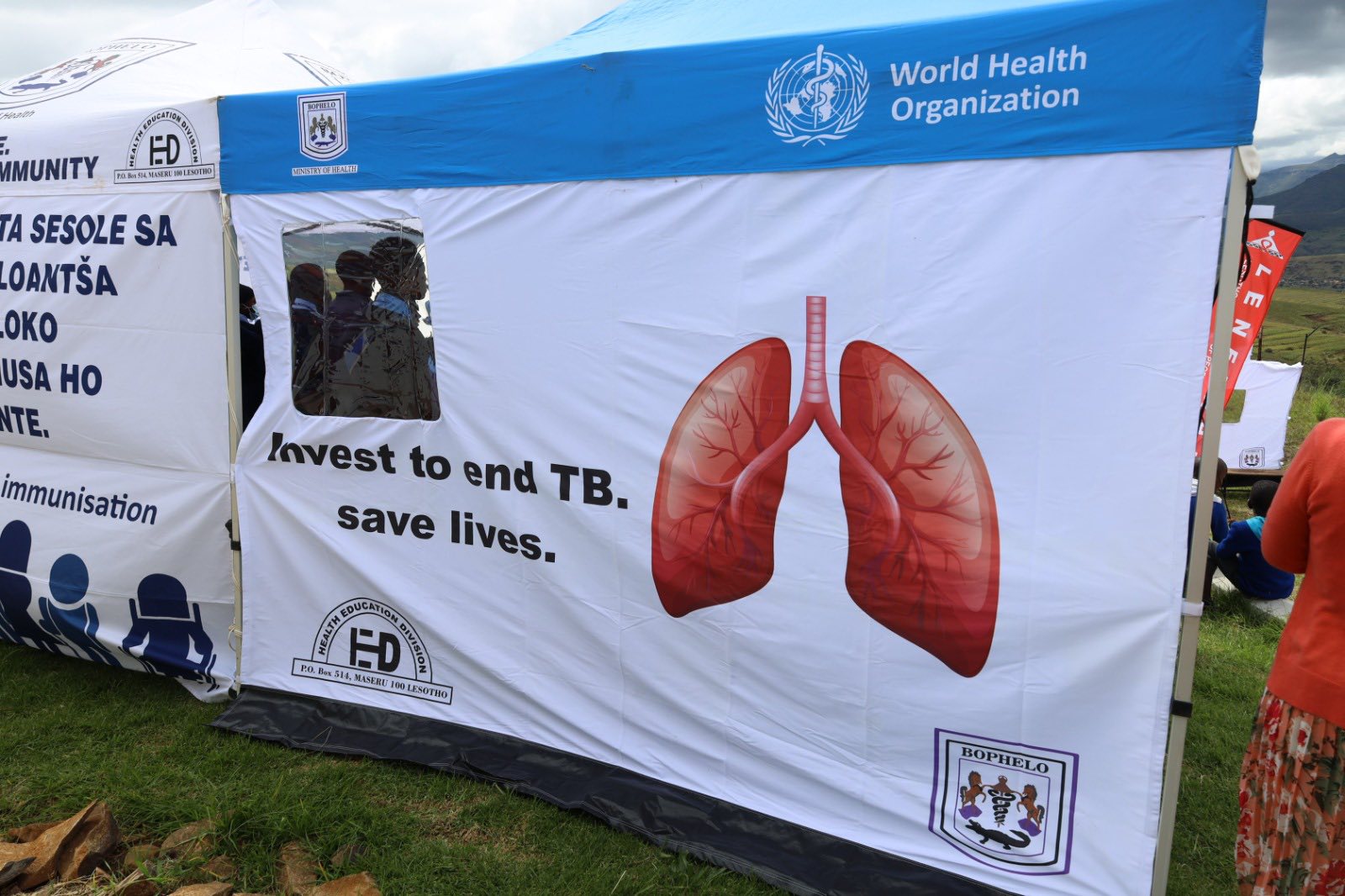
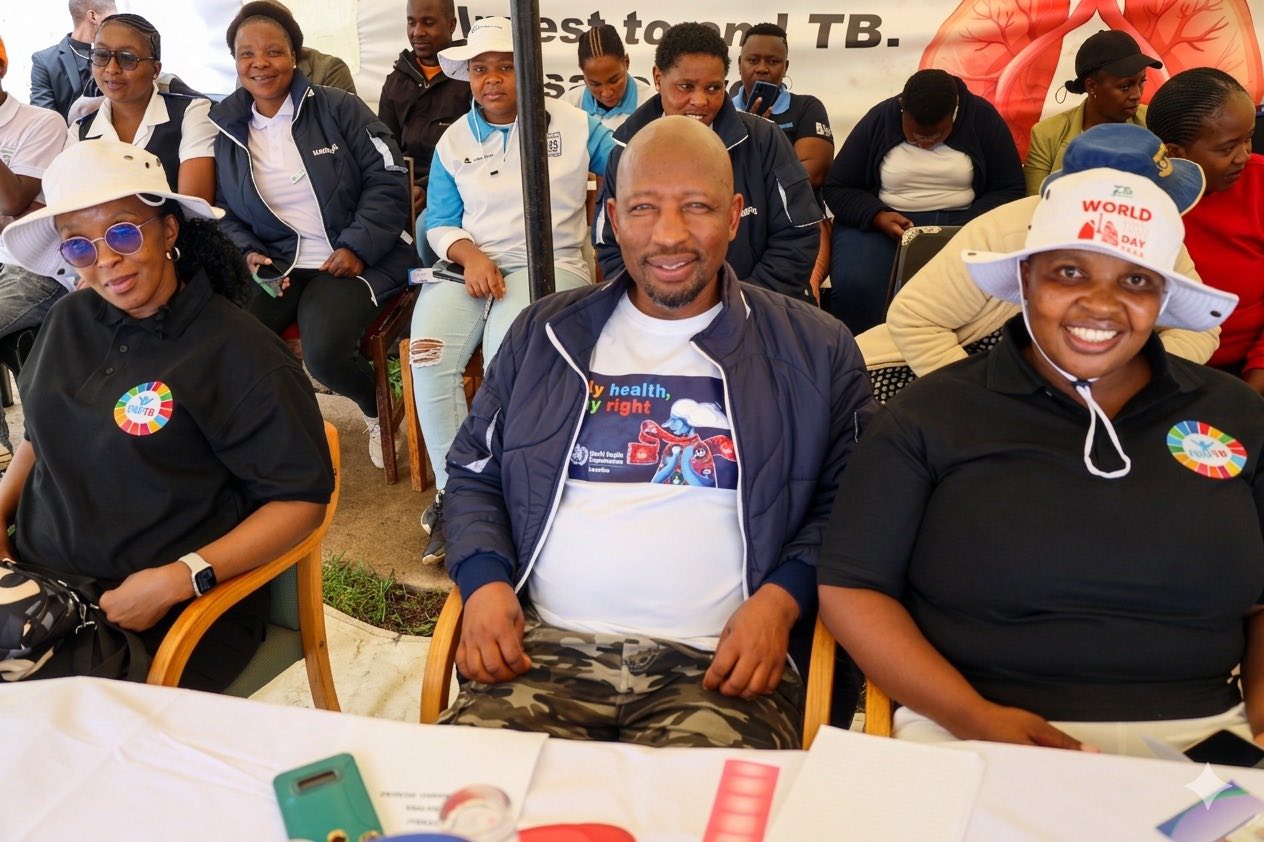
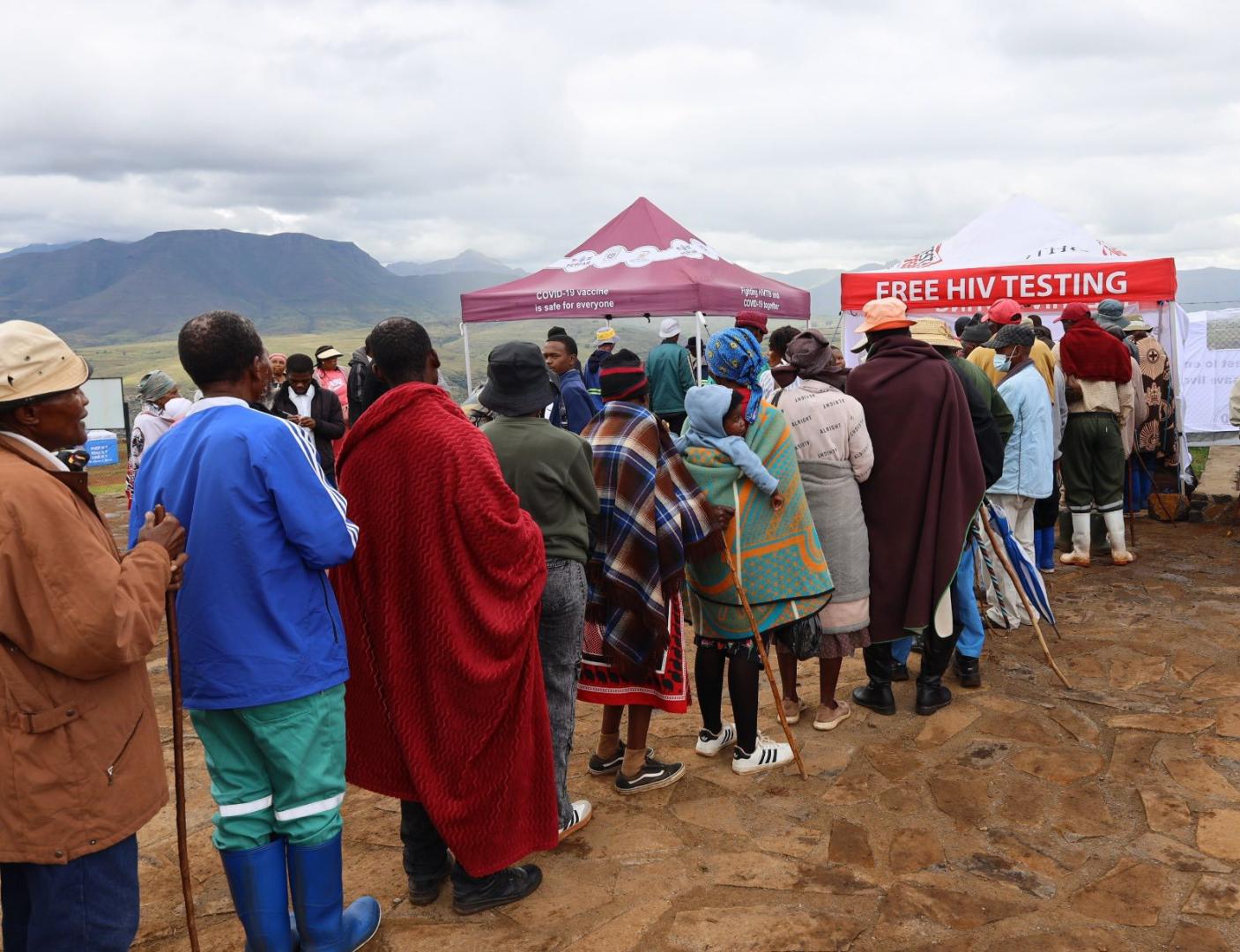
Maseru—To mark World TB Day, the World Health Organization supported the Ministry of Health in launching rapid, community-led tuberculosis (TB) screening campaigns across all districts. Guided by the global theme “Yes! We Can End TB: Led by countries, powered by people,” the initiative brought residents together for free testing, reinforcing the nation’s commitment to early detection, treatment, and reducing TB-related morbidity and mortality.
Since 2015, Lesotho has made measurable progress in reducing the burden of TB, with TB incidence declining from 780 to 548 per 100 000 population. This represents an approximate 30 percent reduction, demonstrating progress toward the End TB Strategy, although it remains below the 50 percent incidence reduction milestone target. However, TB treatment coverage remains low at 51 percent, indicating that nearly half of people with TB are not being diagnosed or initiated on treatment.
Despite progress made through community-based interventions, diagnostic innovations, and treatment scale-up, a significant number of people with TB remain undiagnosed or are diagnosed late, contributing to ongoing transmission, preventable morbidity, and mortality.
“This initiative is about bringing TB services closer to the people. By mobilizing communities, strengthening partnerships, and using innovative tools, we aim to find those who are missing, link them to care, and ensure no one is left behind in the fight against TB,” stated Dr. Liang Maama, TB Programme Manager, Ministry of Health.
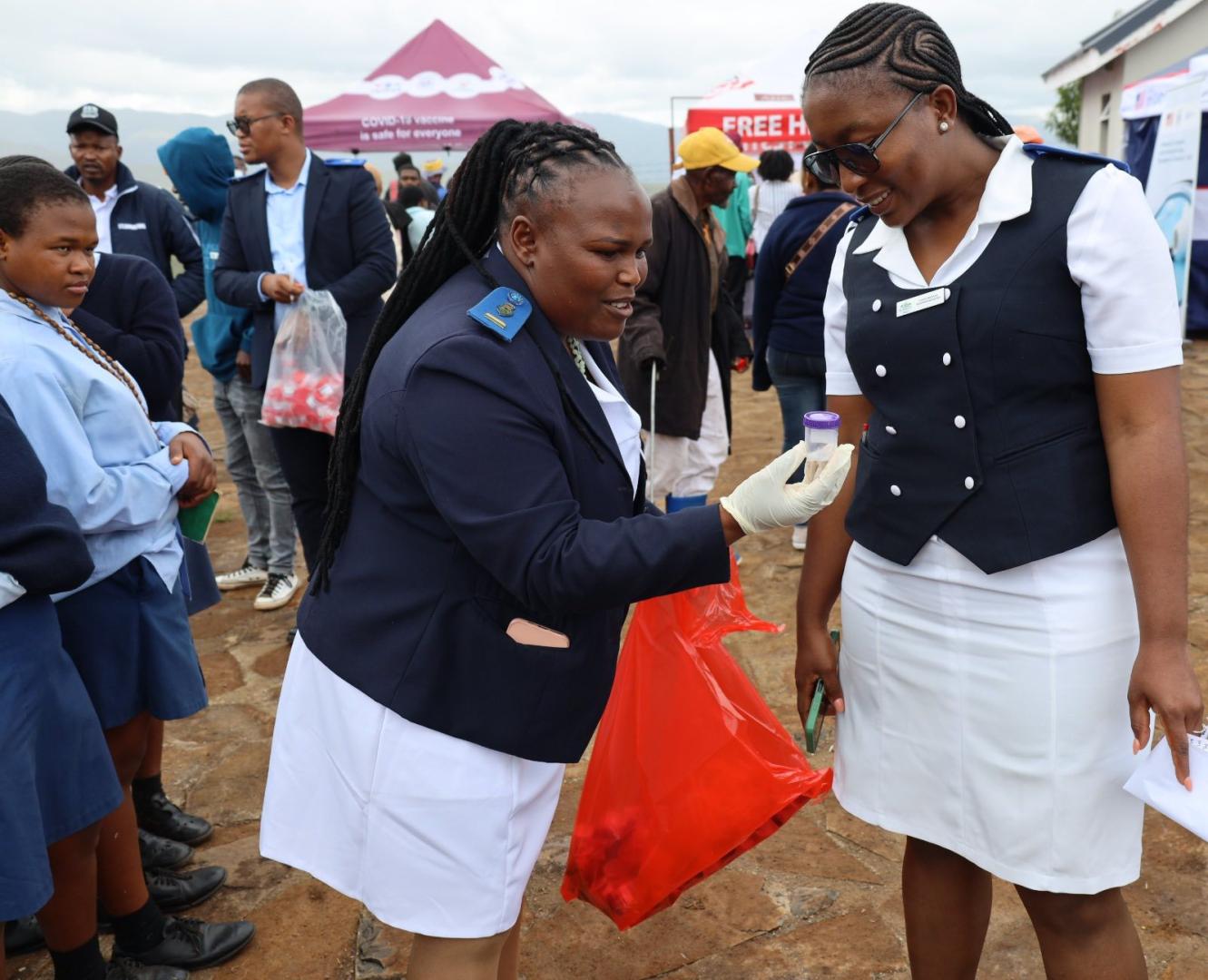
At St Andrews Health Centre in Mafeteng and other facilities nationwide, health workers carried out community mobilization and sensitization exercises, encouraging people to come forward for free screening. A public health nurse at the Mafeteng centre, Lepolesa Mpholo, emphasized the importance of the activity, noting that screenings are vital in reducing transmission and protecting families.
“This service is free, and we encourage everyone to take part so that no one is left behind in the fight against TB,” stated Mpholo.
The World Health Organization (WHO) has called for urgent action to accelerate TB control, spotlighting new diagnostic innovations that promise faster, cheaper, and more accessible testing. These include portable, battery-powered devices that deliver results in under an hour, tongue swab sampling for patients unable to produce sputum, and sputum pooling strategies that reduce costs and increase efficiency.
The WHO Regional Director for Africa, Dr Mohamed Janabi, highlighted the significant progress already made in the region: “Between 2015 and 2024, TB deaths declined by 46%, and TB incidence fell by 28%. Several countries have reached key global milestones: South Africa met the 2025 target for reducing TB incidence, while Mozambique, Tanzania, Togo, and Zambia achieved a 75% reduction in TB deaths.”
Dr Janabi noted the impact of new treatments: “Rapid diagnostic technologies are being scaled up, and shorter, more effective six-month all-oral treatment regimens are transforming outcomes for people with drug-resistant TB. The revolutionary six-month all-oral BPaLM regimen has achieved success rates exceeding 85%, with the African Region leading the global uptake. Between 2023 and 2024, the proportion of drug-resistant patients receiving six-month regimens surged from almost zero to about 40%, the fastest adoption rate of any WHO region. This progress demonstrates that determined leadership, strengthened health systems, and community engagement can deliver measurable results.”
TB remains one of the world’s deadliest infectious diseases, claiming more than 3,300 lives daily. While global efforts have saved an estimated 83 million lives since 2000, WHO warns that funding cuts and slow uptake of rapid diagnostics threaten progress.
Lesotho’s grassroots efforts, such as the community-led TB screening, reflect the country’s determination to address the TB burden. WHO continues to urge governments worldwide to prioritize TB as a central pillar of health security and universal health coverage, while also investing in research and innovation, including vaccine development through the TB Vaccine Accelerator Council.
Communications Officer
WHO Country office, Lesotho
Email: okoronduo [at] who.int (okoronduo[at]who[dot]int)